The Look of Gentrification
Metadata
Highlights
- Caricatures like skinny white bike bros or some scooter make convenient distractions away from the longstanding unaffordability that the original gentrifiers often created. Many of the first wave gentrifiers had consumed existing housing back when it was cheap, then it made it impossible to add more housing to mitigate additional residents like themselves, thus increasing displacement onto incumbents.
- Status Quoism. If you’re a business owner or a driver with a regressive belief that everybody needs to drive, a great way to left-wash your obviously pro-pollution belief is to accuse any change that may take a parking space away as gentrification. If you’re someone who just rejects any notion that your city should ever look any different from when you got there, there’s plenty motivation to call literally any and every change gentrification. But these suburbanite tendencies run counter to what a city is supposed to be. Cities are dynamically changing places, not suburbs which were built and sold as static environments.
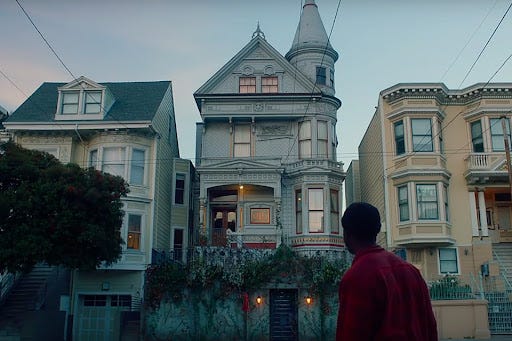
- Most neighborhoods in the Bay Area, Los Angeles and New York City have been highly gentrified without any major changes to their built environment. And maybe that’s the actual reason why. Maybe a neighborhood that looks the same as it did in 1950—in a country that has grown by 170 million people since then—might struggle with housing affordability. Hell, the country grew by 46 million in just the last 20 years alone.
- If you treat your city like a suburb, then it’ll have the demographics of a suburb.